
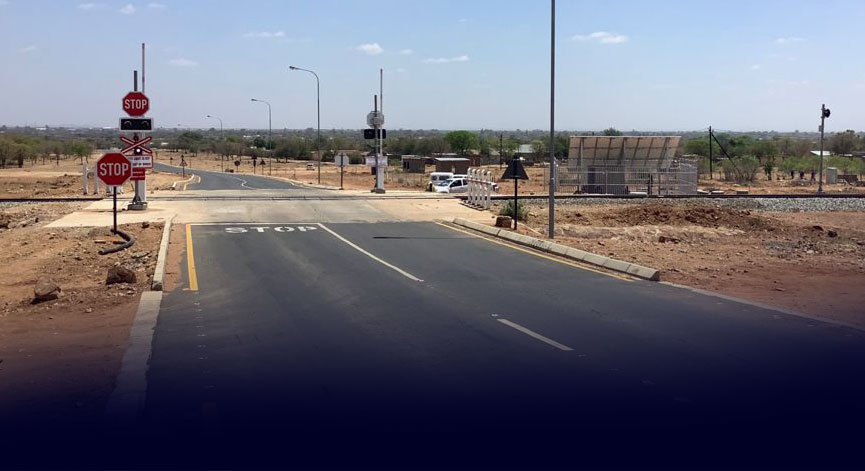
Scalable Level Crossing Solutions for Southern African Railway Operators
Level crossing incidents may only account for a small percentage of the overall incidents or occurrences that occur on an operators network. However, the potential for increased fatalities and injuries as a result are far greater. The word “potential” for fatalities and injuries may sound “understated” but when an incident does occur the outcome can be devastating.
From a South African perspective, the Railway Safety Regulator’s (RSR) annual State of Safety Reports, provides for very real and sobering numbers. For example, nationally, the RSR recorded 123 occurrences / accidents in 2011/12 with 10 fatalities and 40 injuries. 91 occurrences were recorded nationally for 2012/13. Fast forward, to 2017/2018 there were 126 level crossing occurrences and a total of 104 level crossing occurrences recorded during the 2019/20 reporting period, resulting in 18 fatalities and 59 injuries.
That’s just in South Africa. Around the world operators spend a significant portion of their budget creating awareness around the dangers of level crossings in the hope of changing the behaviour of road users and pedestrians. In many areas this has little impact on attempts to “beat the train”, regardless of the consequences.
Ultimately, no matter where in the world the network is located, when a level crossing occurrence takes place the operational impact it has on the network from a cost perspective – in time, disruption to service, clean up and repair is significant. That is before one takes into consideration the cost as a result of loss of life and the impact on an operators safety record – DIFR (Disabling Injury Frequency Rate), and is likely to traumatise the train staff involved.
Therefore, it just makes more sense to put in place the required physical infrastructure to safeguard the network and those that engage with it.
With June being International Level Crossing Awareness month and specifically the 9th of June being International Level Crossing Awareness Day (ILCAD), it is fitting to highlight the scalable Level Crossing safety solutions available to operators in Africa from Siemens Mobility (Pty) Ltd.
https://vimeo.com/567400131/39b4da058c
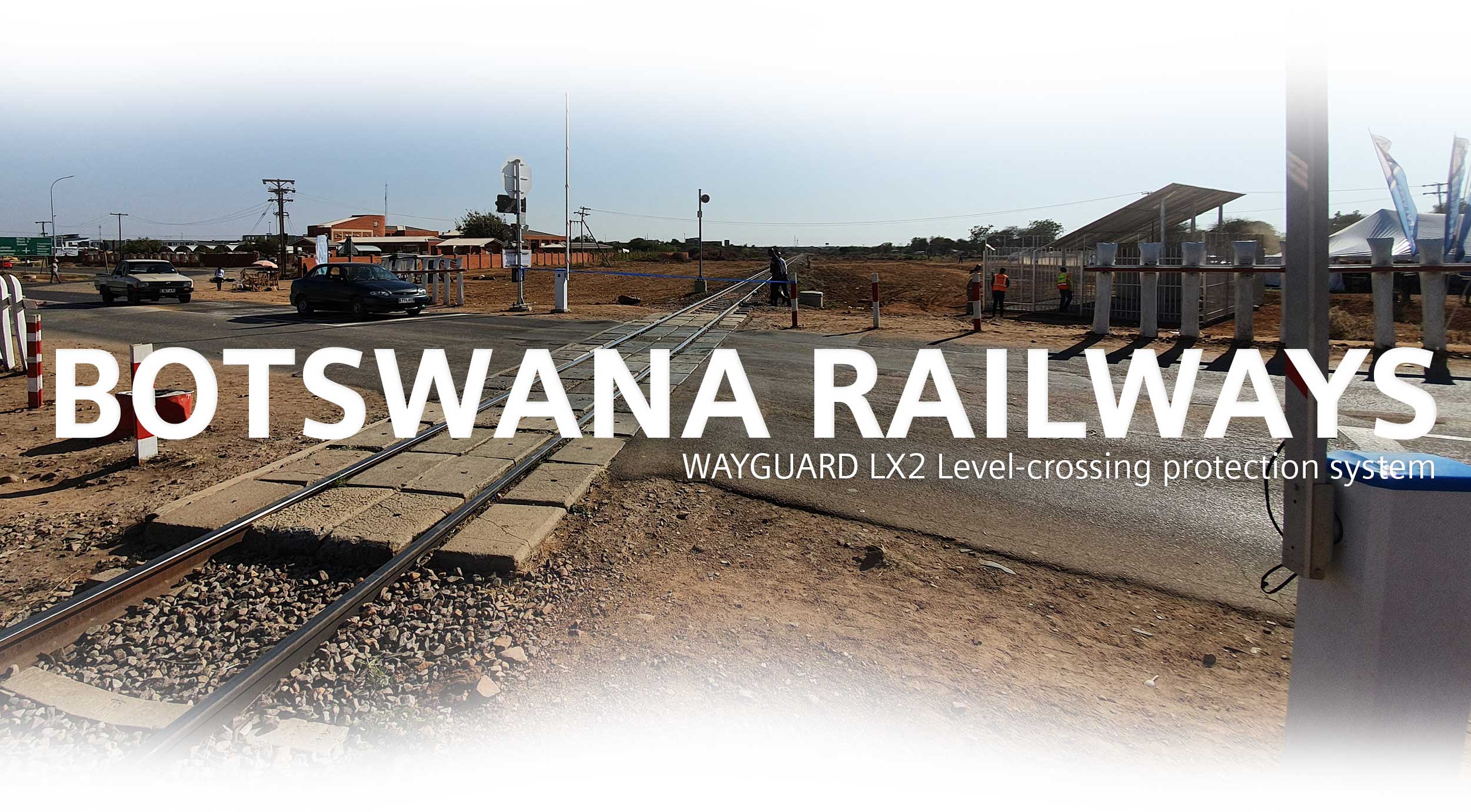
Botswana Railways
“A perfect example of being able to build an appropriate, operator specific solution is demonstrated through our recently completed project for Botswana Railways. The backbone of the solution is based on the WAYGUARD LX2 Level-crossing protection system,” notes Phiwa Tindwa.
Initially, the level crossing project for Botswana was for four level crossing systems, which was later increased to eight which were installed over a period of eight months. After careful consideration, it was decided that the best solution for the Botswana Railways level crossing project, would be the LX 2 protection system. LX 2 solution is a hybrid of the system originally used in South Africa and meets the specifications for most African countries.
“The solution we ultimately decided to use was the LX 2 protection system, as it has the Siemens Simatic® S7-300 automation system with microchip controllers. This means it has the hybrid interlocking requirements for the local rail industry. In addition, this solution met all the local conditions and standards specific to the needs of Botswana Railways,” explains Phiwa.
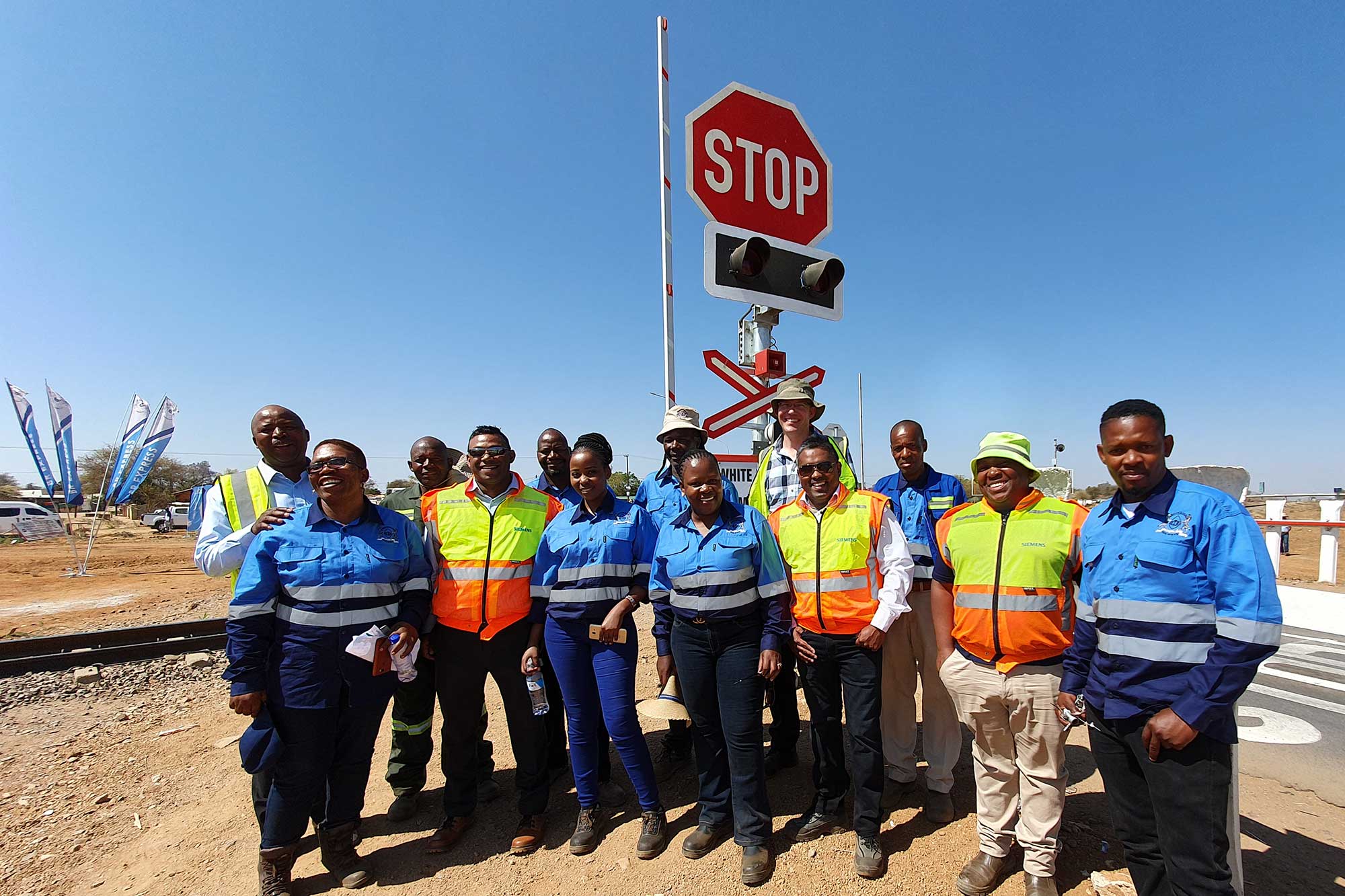
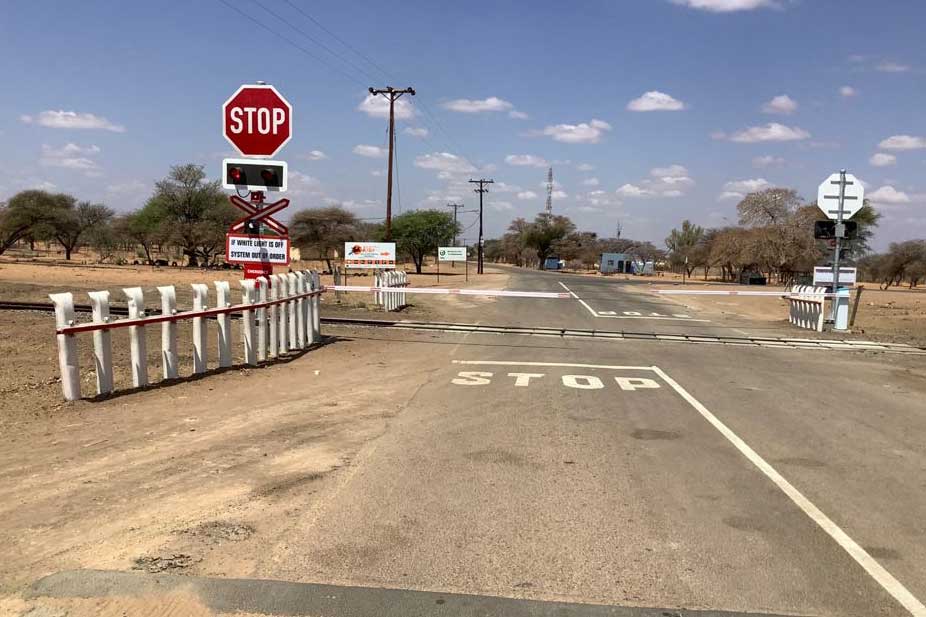
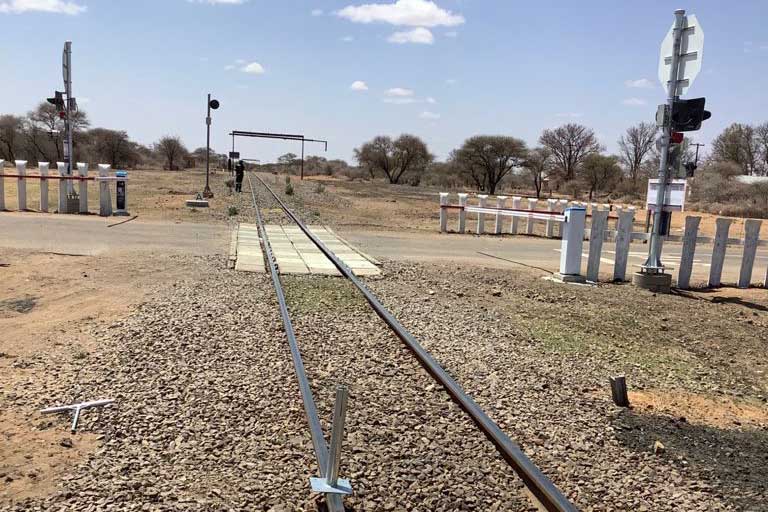
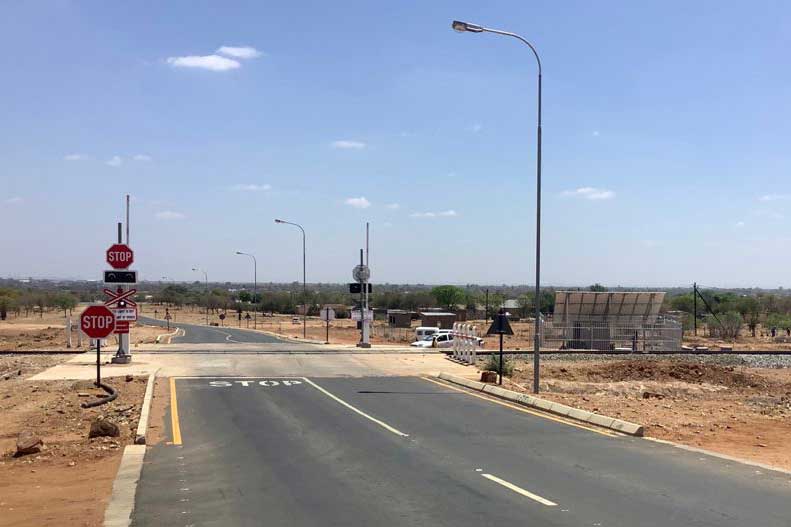
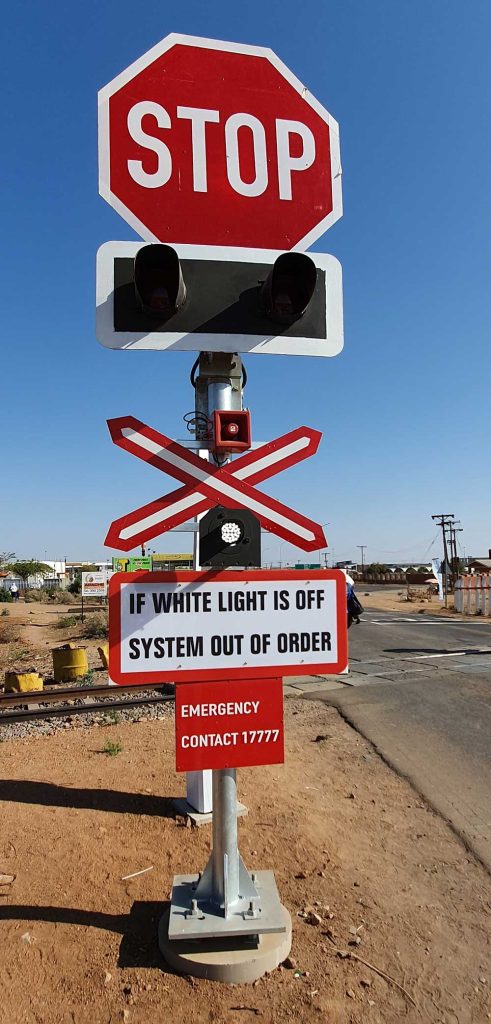
The final system included boom gates, warning lights and as well as an audible device to indicate that a train is approaching.
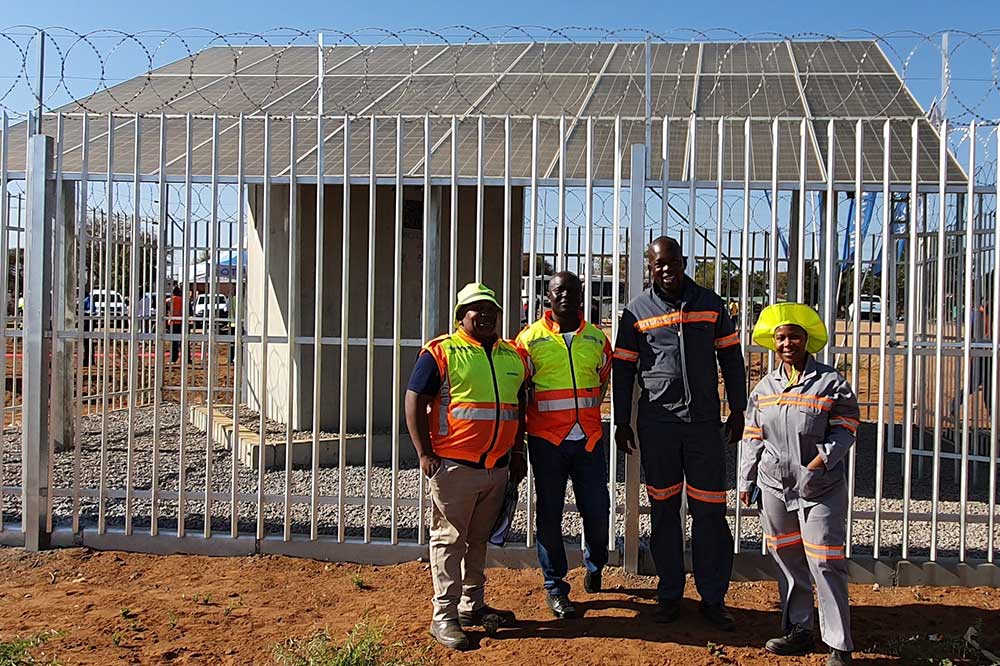
Due to the remote locations of some of the level crossing in Botswana, Siemens Mobility also installed solar power and backup power systems to ensure that the level crossing protection system is always operational and available.
“As far as possible most of the component assembly, cabling and relays were produced by our very experienced team in South Africa. The testing and factory acceptance test for the solution provided to Botswana Railways was executed at our Interlocking Testing Facility (ITF) the only one of its kind on the African continent,” notes Phiwa.
“To support our customers from an operational perspective, we have incorporated an event logging and remote control system managed through their control centre (CTC), as well as an SMS notification system for their technicians. Should a fault occur, the customer is able to easily identify the type of fault and determine the remedial action required. In most instances these can be rectified remotely. We provide full support to our customers during the maintenance and warranty period,” explains Phiwa.
With increased urbanisation and a call for improved rail and road safety there is a growing need to mitigate the risks associated with level crossings and save lives. Siemens Mobility offers flexible, cost effective level crossing solutions that can be tailor made for each customer, meeting local conditions and specifications.
https://vimeo.com/567343711/a46fb36a86