
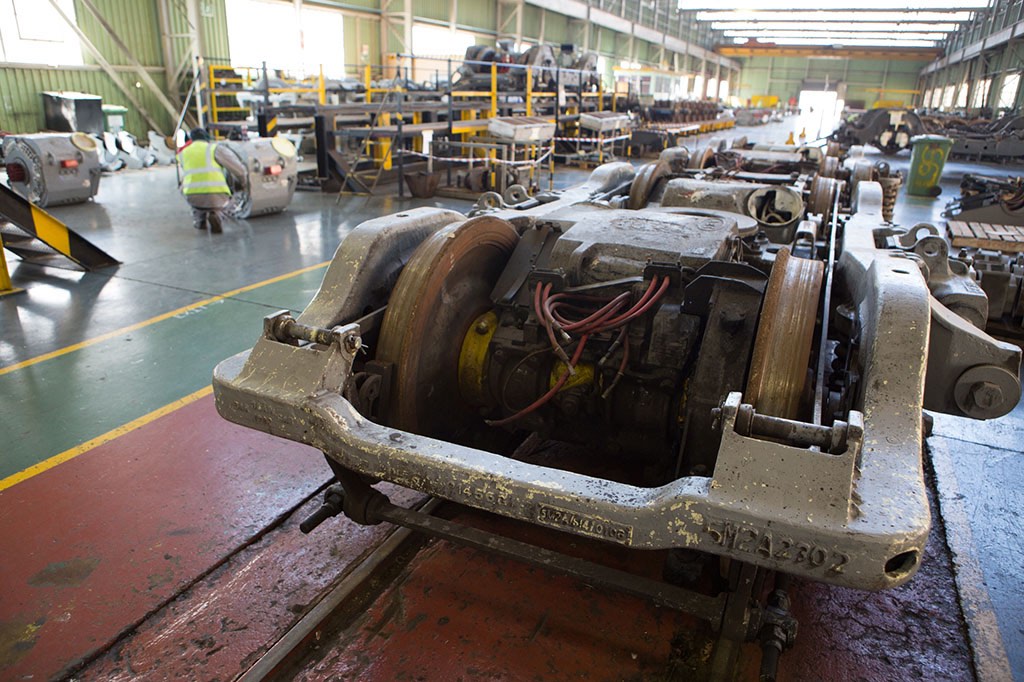
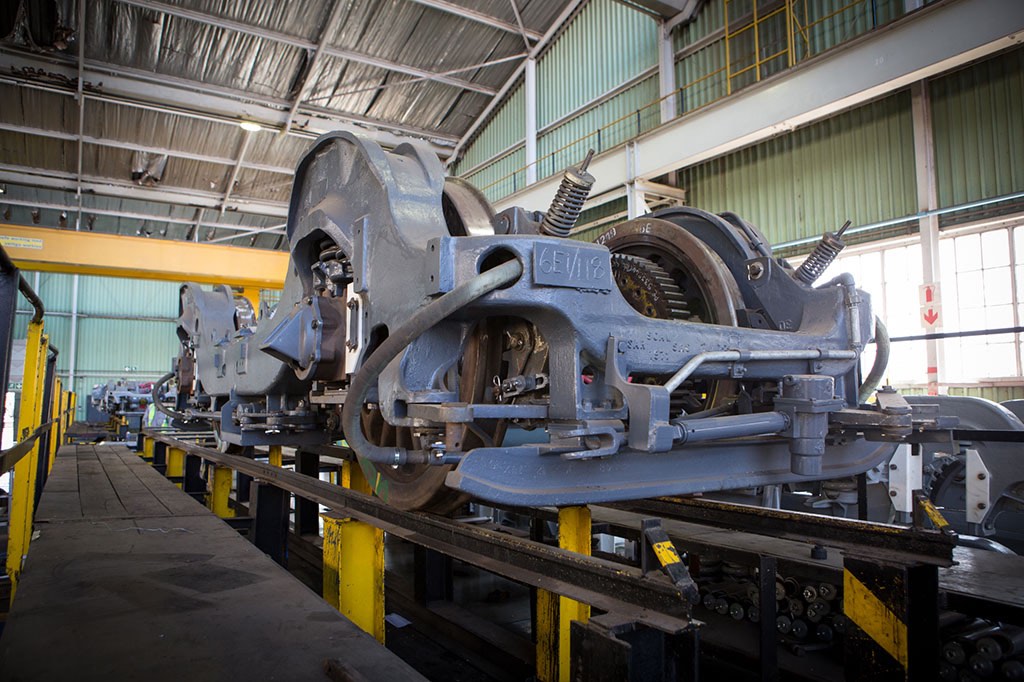
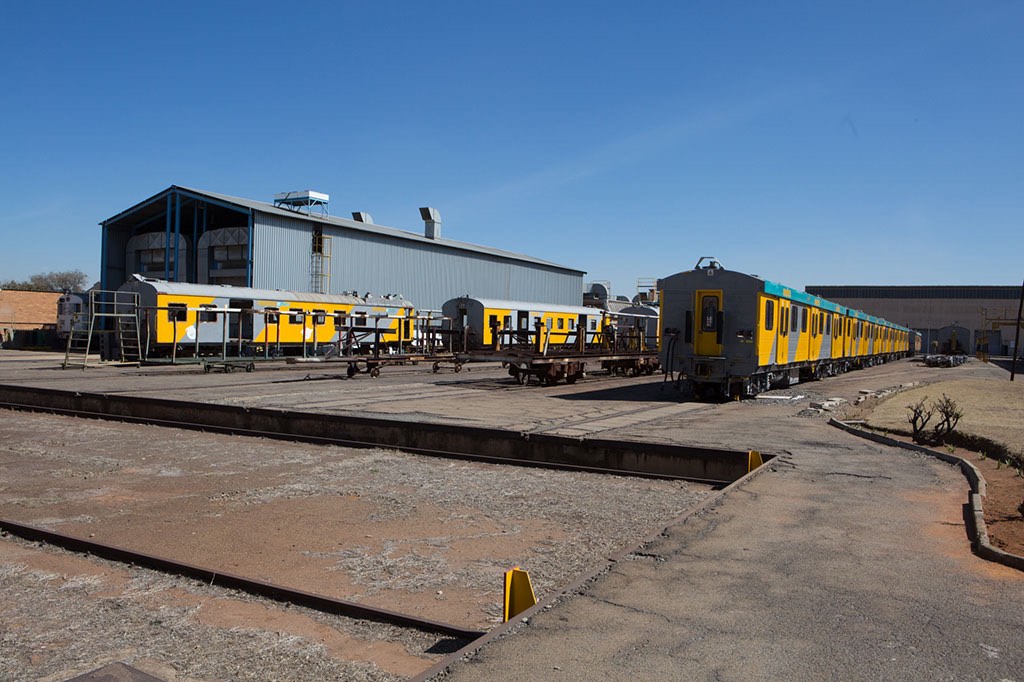
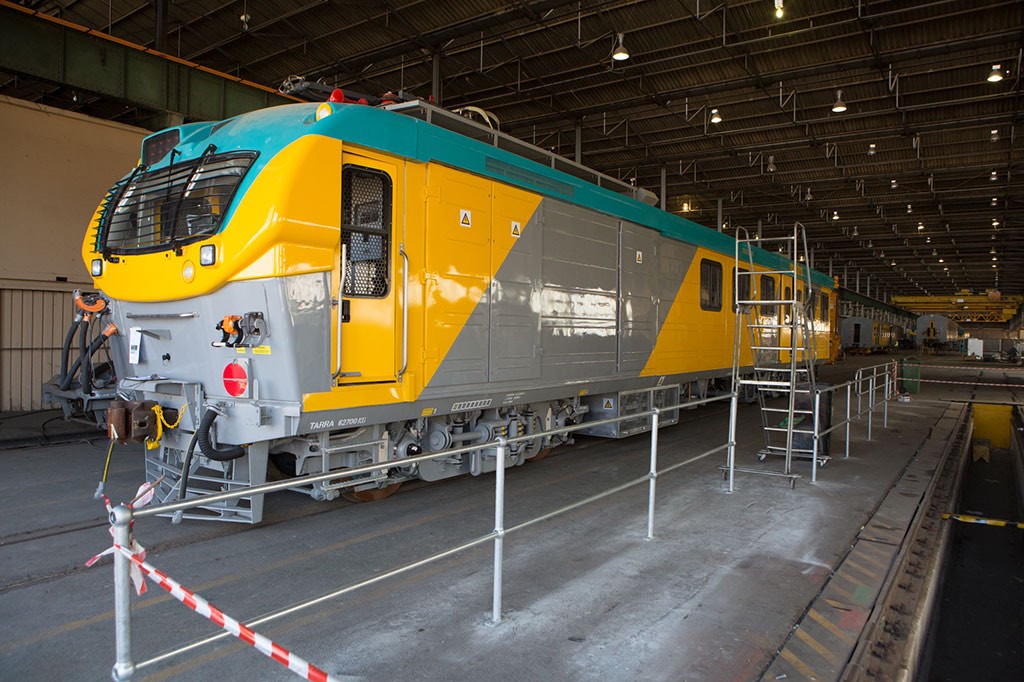
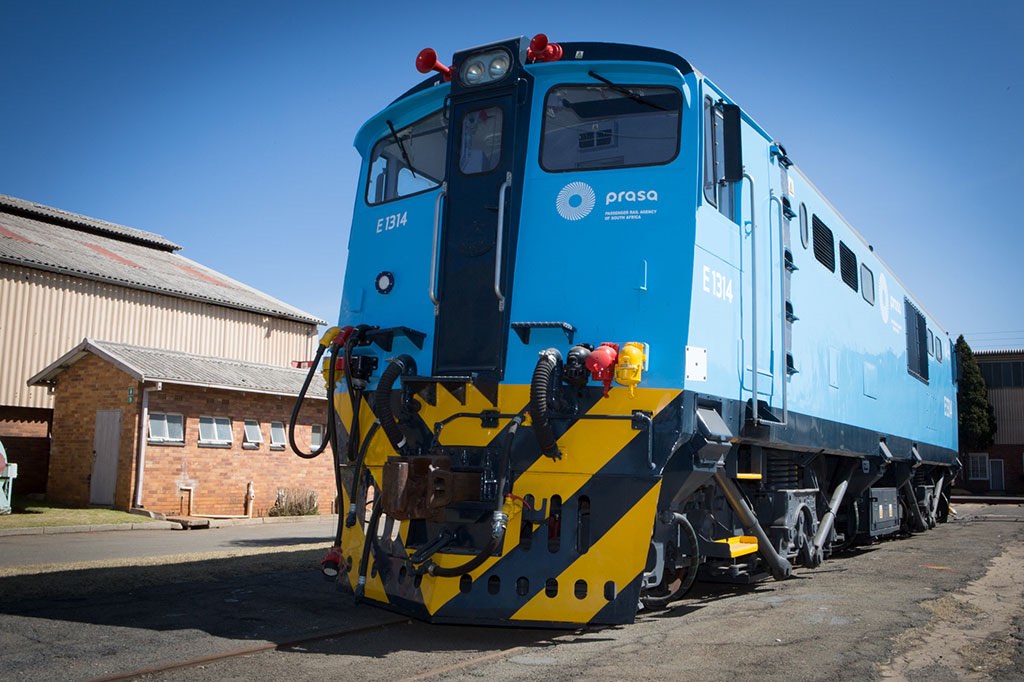
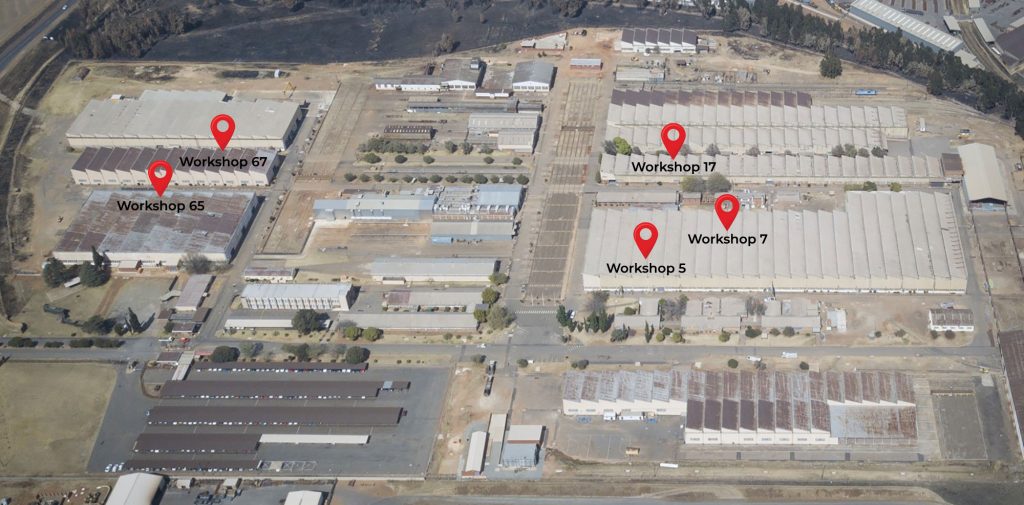
Union Carriage and Wagon (UCW) was established in the 1950s to serve the South African rolling stock market in both the passenger and freight sectors. The company delivered electrical locomotives to the South African market, namely the 5E1[1], and then built the fleet of 5M2A[2] electrical multiple units for passenger rail services in the country between 1962 and 1985.
Commuter rail services in South Africa continues to rely heavily on the trainsets built by then UWC, with the 5M2A’s being rebuilt to the 10M3, 10M4 and 10M5 classes, we see today[3].
In the early 1990s, Murray and Roberts (M&R) acquired ownership of the company through its acquisition of Standard Engineering. While operating within the M&R stable, UCW assembled units for the Gautrain, as well as refurbishing 5M2s for PRASA.
In 2013, M&R sold its interests in the business to the CTLE consortium.
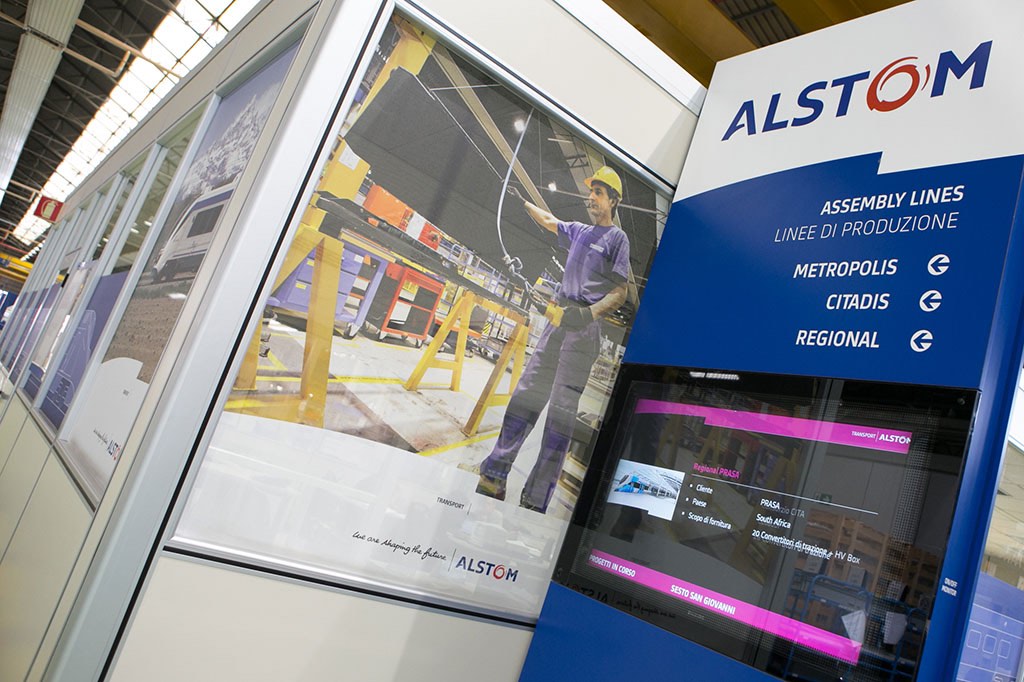
In April 2016, Alstom Ubunye was established through the acquisition of a 51% stake, by Alstom in South African train manufacturing company Commuter Transport and Locomotive Engineering (CTLE), formally known as Union Carriage and Wagon. At the time of acquisition, CTLE was a 100% black-owned company made up of a consortium between Commuter Transport Engineering (CTE) and the Industrial Development Corporation (IDC).
Both CTE and IDC have retained shares in the company. In addition to the shareholding between Alstom and IDC and CTE, there is also an employee benefits scheme as a shareholding entity (5%).
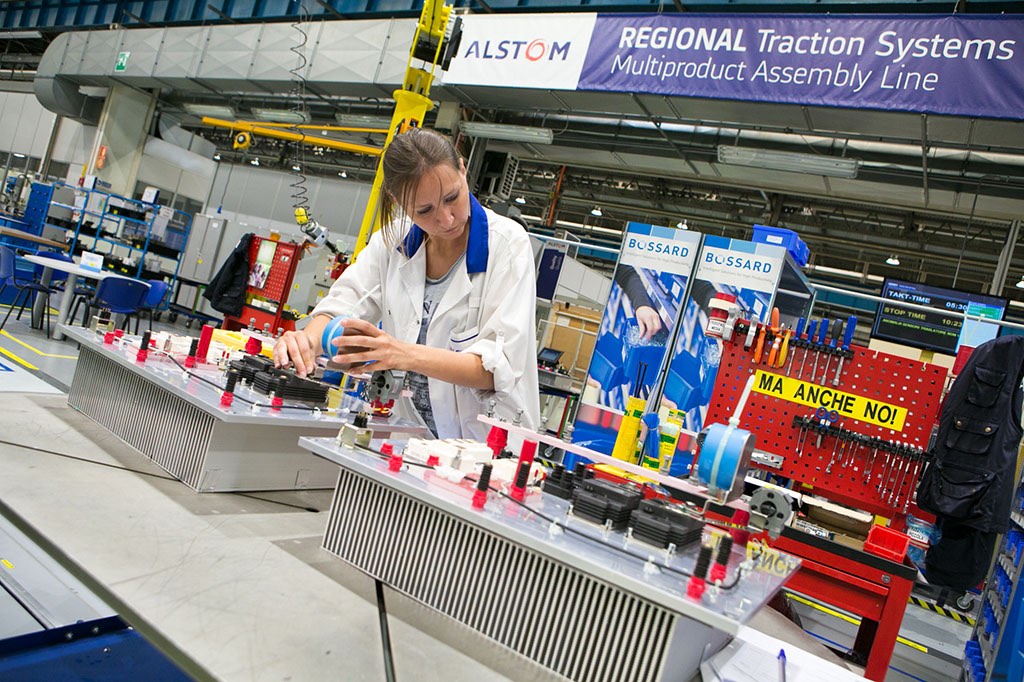
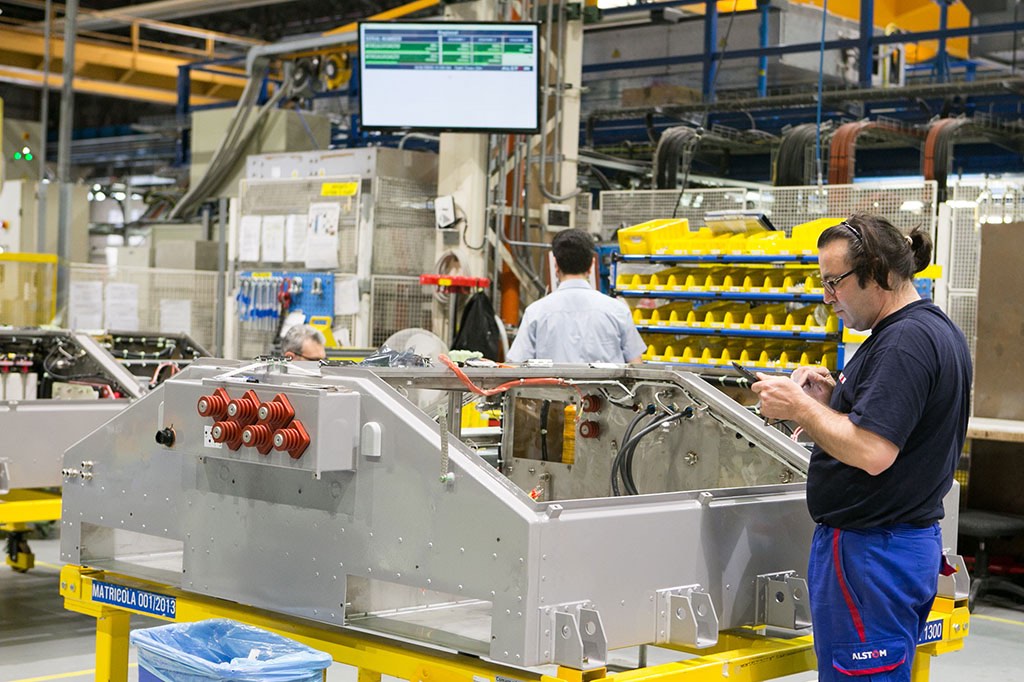
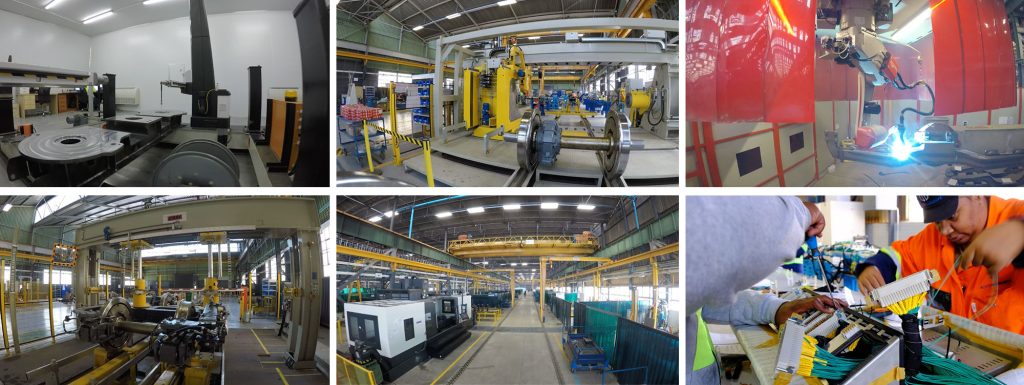
The primary objective for developing Alstom Ubunye at the time, was to support the rejuvenation of the South African railway industry, by establishing a state-of-the-art manufacturing and engineering platform in South Africa, that would be able to deliver Alstom technology to the sub-continent.
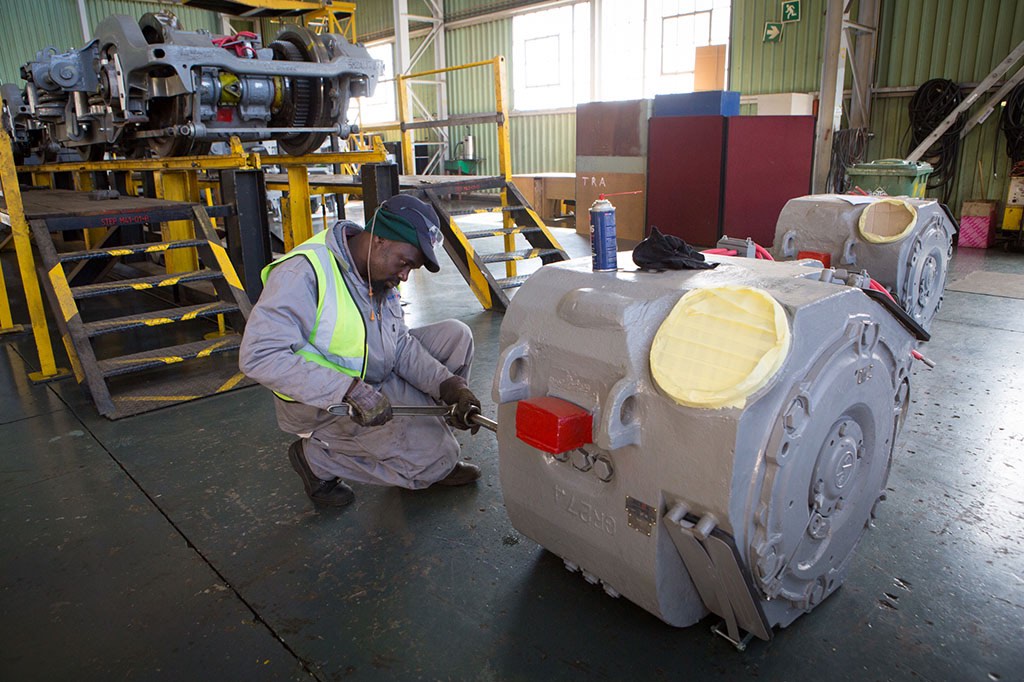
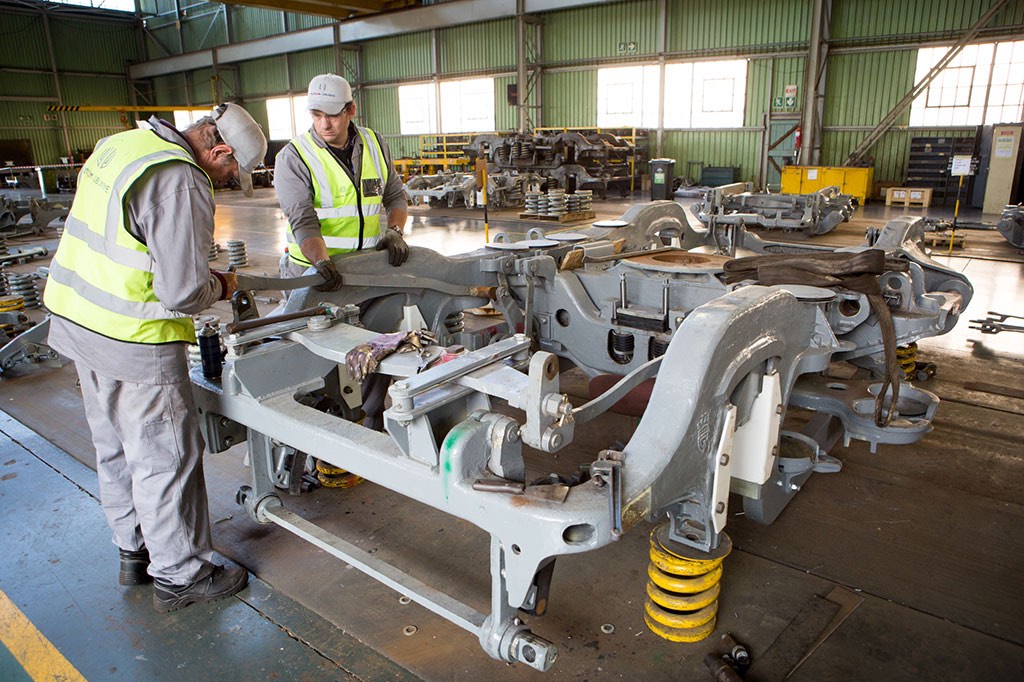
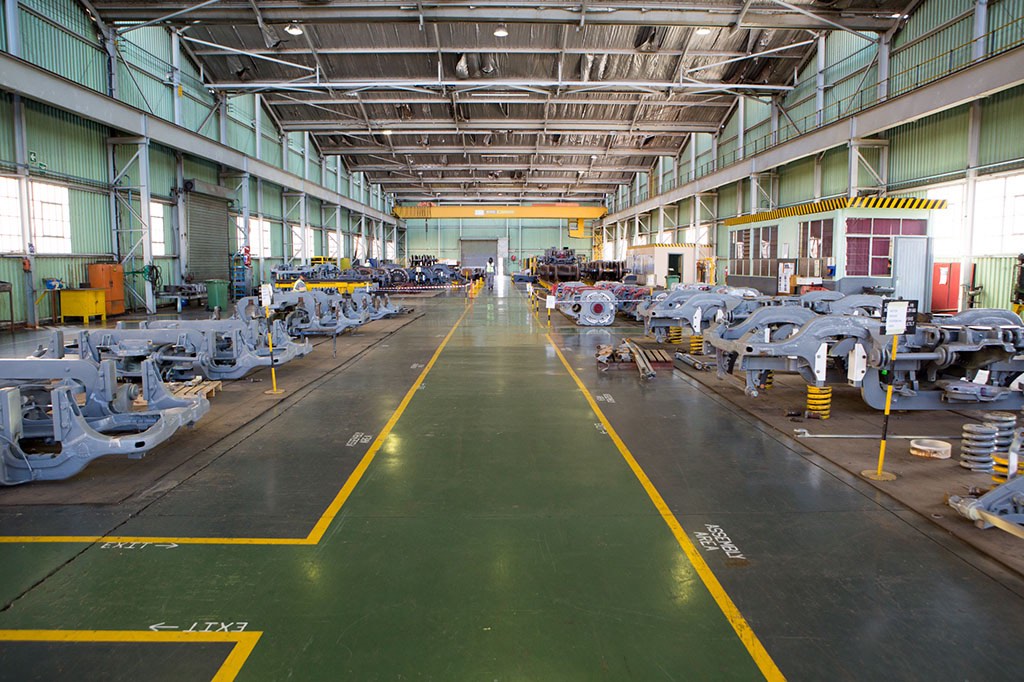

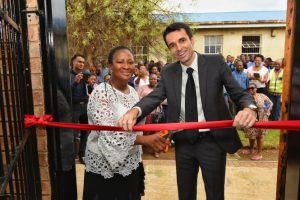 In Duduza township, East of Johannesburg, near the Alstom Ubunye site, the Esibonelwesihle Secondary School had two classrooms which were ready to be used for technical subjects but lacked the funds and knowledge to install the technical equipment. Alstom Ubunye has supplied the equipment and assisted in developing the curriculum. This will provide the opportunity for high school students to obtain some technical qualification. Alstom Ubunye has then committed to take on the students who meet the qualification, into their onsite welding school for further development. This means that Alstom Ubunye will either be able to employ directly from this pool as a global group or once qualified these students would be able to work elsewhere.